Quality-of-Life Consultations
The focus is on quality of life, not on medical intervention (though we can discuss that as fully as you wish), and your priorities are our number one concern.
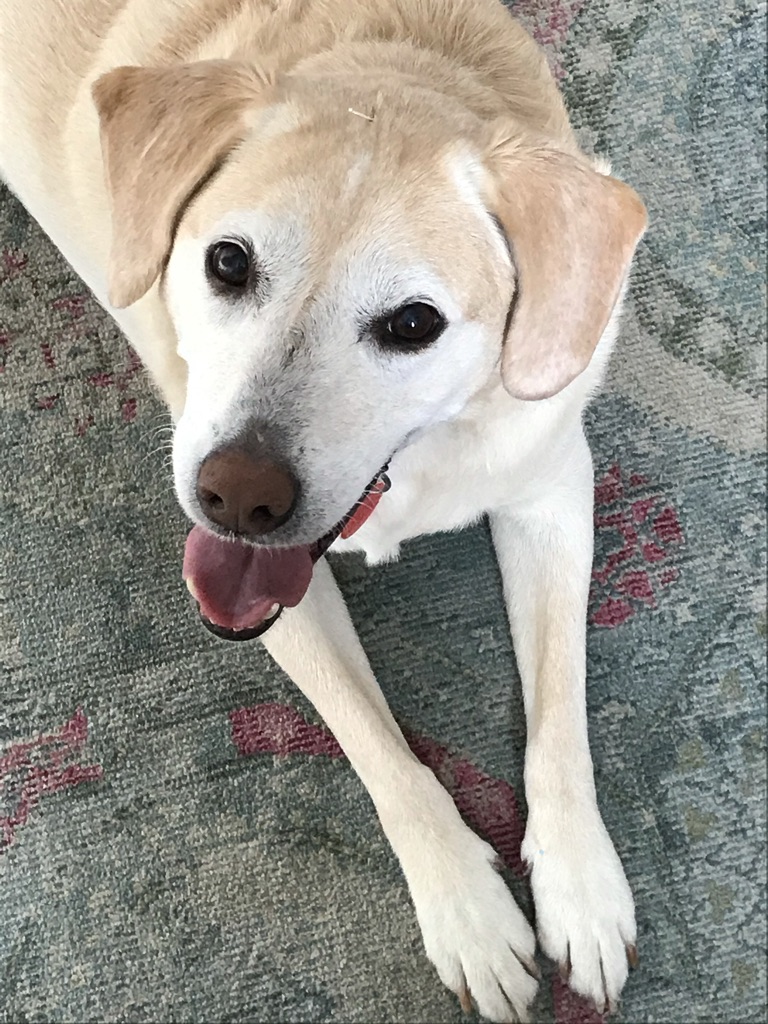
- If you’re moving to a quality-of-life-oriented mode (fewer or no diagnostics, comfort care rather than trying to treat or cure) with your pet who is elderly, or has chronic illness, and you need suggestions for how to make their last years or months more comfortable…
- If your pet is near the end of their life and you are afraid you are missing something, or need to understand how to make end-of-life decisions…
- If you think that it might be time to say goodbye to your pet, but you’re not sure, and you’d like the opinion of an experienced vet who respects your wishes and won’t be judgmental…
- Or when you just feel lost and confused…
… a consultation can help. Dr. Bruner will come to your house to meet you and your pet, or talk to you on the phone, and we’ll cover whatever you need to know to feel more confident about how to approach your pet’s end-of-life phase.
We often use the JOURNEYS quality-of-life scale developed by Dr. Katie Hilst, a fellow end-of-life-care veterinarian. We like this scale because it’s straightforward and easy to understand, and it includes factors that relate to you, not just to your pet, which is super important.
Where are consultations done?
Ideally, we’d be at your home, if you’re in our service area (see list of zip codes and towns below, and map here), or we can talk over the phone if you are outside of our zones (or if you’re in our travel area but prefer to meet remotely). In the central zone with no travel fee (most of Washington County), we strongly recommend an at-home visit; when Dr. Bruner can see your pet, at home, she can best understand their challenges and comfort level.
What will we talk about?
It varies, depending on your needs, but typically a consultation covers:
- A detailed assessment of how your pet is currently doing, and whether they are comfortable
- What you can expect as time passes and things progress with your pet’s individual issues
- Information to help you assess for yourself how your pet is feeling
- Medical options that may be available, and how to talk to your regular vet about them so that they understand your wishes and you get what you want
- Discussion of strategies and aids for more comfort for you and your pet, including simple adjustments to your home, if you are interested, and medications, if relevant
- An exploration of how you might approach end-of-life decision-making, based on your feelings and priorities
- Information about making an appointment, the euthanasia process itself, and cremation options
- A plan for how things might go at the end, including strategies to keep your pet comfortable until Dr. Bruner arrives for a euthanasia visit, and an understanding of what your other options are if she cannot get there as quickly as you need help.
What if family members see things differently from each other?
This can be a really challenging circumstance, since there’s so much going on emotionally, and people who care about one another don’t always see things the same way. Most of the time family members are able to find common ground, once everyone has felt heard and supported and knows what the terrain is (how the pet is doing now, what is likely to happen, how each person feels) so they can talk about what the plan might be. Dr. Bruner doesn’t have specific mediation training, but that’s essentially the role she can play in a circumstance like this, and it’s a time when a consultation can be incredibly useful.
Can my consultation appointment become a euthanasia appointment?
Almost all the time, the answer is yes; we “expect the unexpected” and are prepared for any decision to be made at any point, and the schedule is designed so we can accommodate changes. The only exception may be if the consultation has lasted for over an hour when that decision is made; at that point, Dr. Bruner may need to return later, so she doesn’t keep another family waiting too long. If it looks like this might be necessary, she’ll try to anticipate that and let you know.
How should I prepare for my consultation?
First, just know that you don’t need to do anything special; we can have a great consultation even if you’ve been totally avoiding having to think about it since you made your appointment. You can ask our staff to get your pet’s medical record for Dr. Bruner to read in advance, if you like, though this is not required. You can complete the JOURNEYS quality-of-life scale [link]; this isn’t required either, but it can help you organize your thoughts and questions and reveal what your areas of greatest concern are.