How Do I Know When It’s Time?
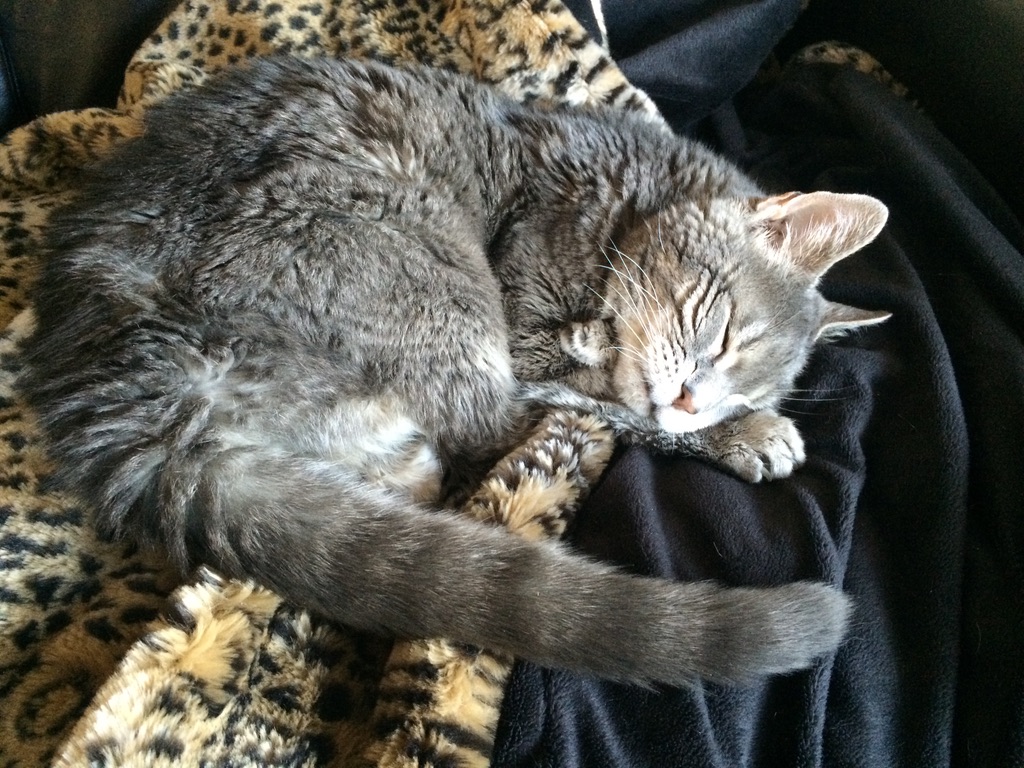 This is a huge question, and one we all struggle with—you’re not alone. If something big (like a crisis or a serious diagnosis) happened, you’d be deeply sad, but the choice would be clearer. But you’re probably reading this because your pet has been gradually declining, things are getting harder and harder for them, and yet there are still good times. The ups and downs make it hard to judge. You feel responsible for bringing that decline (and the suffering they’re likely enduring) to a peaceful end, at some point…but how do you decide when that should be?
The short answer is: when the bad outweighs the good, more often than not; and/or when you don’t want your pet to have to go through the decline and suffering, or the potential crisis, that you expect. Hearing this can feel a lot like hearing that traditional advice vets often give: “You’ll know when.” (But how?)
It’s true that only you (your family) can make this decision, and it does have a lot to do with trusting your gut. But you need to have as much information as possible about how your pet feels, what they’re going through, and what’s likely to happen next, as well as whether there’s anything you can do to make life better for them.
To get more information, you can talk to your regular vet, and to trusted friends who’ve been through similar situations. You can fill out the JOURNEYS scale, which gives you a framework for assessing quality of life. (And you can have a consultation with an end-of-life care vet like me!)
You can also ask yourself:
- What are the five things your pet loves most? Can they still do them? Knowing their personality, do you think they’re satisfied with their life as it is?
- Does your pet seem happy, or do they seem withdrawn, confused, or agitated? They may be dealing with significant dementia, which can cause them a lot of distress. Dementia is one of the two most common sources of suffering for aging pets. For more information, check out the Resources article “Dementia in Pets.”
- Do you think your pet is in pain? Arthritis and mobility challenges are very common as pets age; in fact, this is the other most common source of suffering for aging pets. (See the Resources article “Mobility and Pain.”) Pain medication can be extremely helpful. I often find that people don’t know about all their options, and therefore pets don’t always have enough of it.
- How did previous end-of-life experiences (pet or human family) affect you? How would you like your own end-of-life process to go?
- Are there certain lines you’d draw that, if your pet crossed them, you’d know it was time? (There are usually more things on this list than just whether they’re eating; think about physical ability, attitude, mental ability, pain, symptoms of illness like vomiting or diarrhea or trouble breathing, enjoyment of normal activities…)
It’s also a good idea to find out from the vet you’d like to work with: What is the euthanasia process like? What are your options for where and when this happens? How does scheduling work, and what kind of emergency help is available?
Once you have more information, you won’t necessarily be certain, because there is so much that can’t be known—like exactly what will happen and when, and whether there’ll be a crisis, and how exactly does your pet feel?—but you will feel better.
The Gray Area and the Myth of the “Right Time”
Because death is a single point in time, and in this situation we are the deciders, we worry that we have to find the perfect time. But trying to make this happen is like threading a moving needle. There are so many ups and downs; we can only guess how they feel and what they want; and over it all hangs the fear of everything falling apart and the constant worry: What if it’s too early and they could have more time? What if it’s too late and I’m making them suffer too much?
Remember that you did not cause or choose all this. You did not decide that they have to die: The very definition of aliveness is that it is finite. All lives must come to an end. You did not decide that they had to get older or have an illness that causes decline and suffering. You may wish you had infinite resources and magical powers to fix what is wrong with them, or care for them 24/7, but that’s not how reality works.
You are working with what’s happening, with limited information, with care and love and their best interests at heart. I’ve been a vet for over 25 years, working with thousands of families, and when they look back on it, almost everyone I’ve talked to says they now think they might have waited too long. To me, this just illustrates the essential nature of our love for them and our wish not to rush it.
I have come to believe that there is no right time. And this means there’s also no wrong time. There is only a span of time in which bringing your beloved pet’s life to a peaceful close is a good decision. I call this the gray area. Before the gray area, everything is good enough that you’re not even considering it. After the gray area, things are clearly so bad that there’s no doubt about your decision.
Within that span of time, the decision depends on how you judge whether the increasing struggle and suffering that you and your pet are dealing with is outweighing the shrinking goodness that comes from all that work; and your own personal feelings about what the end of life should be like; and your knowledge of your pet and what they might want.
Some clues that you are in the gray area, where at any time this decision could be okay:
- You are reading this.
- You find yourself hoping you’ll just discover they’ve passed away in their sleep.
- Like in a game of Jenga, you get the feeling that the structure of “good enough” is getting more and more wobbly, and that it could all come crashing down soon, and you don’t want your pet to go through that.
- You’re pretty sure it’s time, and worrying that maybe you even waited too long; and then there’s a good sign and now you’re worrying it’s too soon.
It’s not a comfortable decision, but when you make it, it will be the best of the bad options. It’s an important part of the years of love and care you have given them. Trust yourself, trust that voice inside you, and ask for help if you need it.